





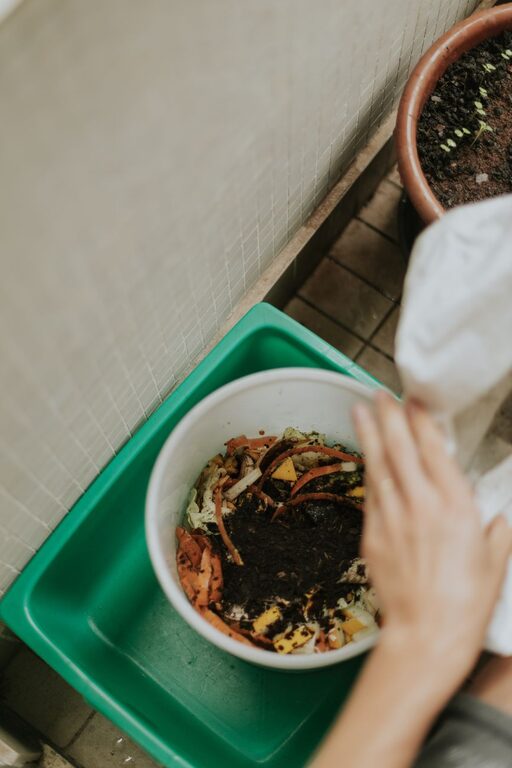
Composting at home is a rewarding way to reduce waste and create nutrient-rich soil for your garden. Whether you have a large backyard or a small balcony, composting can be adapted to fit your space and lifestyle. If you’re new to composting, this guide offers beginner tips to help you get started with confidence.
What is Composting?
Composting is the natural process of recycling organic matter, such as food scraps and yard waste, into a valuable soil amendment. This process involves the breakdown of materials by microorganisms, which transform waste into humus — a dark, nutrient-rich material that improves soil quality.
Why Compost at Home?
– Reduces Waste: Composting diverts kitchen and yard waste from landfills.
– Enriches Soil: Compost improves soil structure, moisture retention, and fertility.
– Saves Money: You can reduce the need for chemical fertilizers.
– Supports Plants: Healthy soil helps plants grow strong and resist disease.
Choosing a Composting Method
Before you begin, it’s important to pick a method that suits your space and schedule.
Outdoor Composting
– Ideal for those with a yard or garden.
– Uses a compost bin or pile.
– Requires turning or mixing the pile regularly.
Indoor Composting
– Suitable for small spaces or apartments.
– Options include worm bins (vermicomposting) or countertop composters.
– Produces less odor with proper care.
Getting Started: Beginner Tips for Home Composting
1. Select a Compost Bin or Area
– For outdoor composting, choose a bin that is easy to access and has good airflow.
– If space is limited, consider a compact, sealed bin for indoor use.
– Make sure the bin has drainage to avoid excess moisture buildup.
2. Know What to Compost
Balance is key. Compost materials are categorized as “greens” and “browns.”
– Greens: Nitrogen-rich materials like fruit and vegetable scraps, coffee grounds, tea bags, grass clippings.
– Browns: Carbon-rich materials such as dry leaves, straw, cardboard, newspaper, shredded paper.
Avoid composting meat, dairy, oily foods, pet waste, and diseased plants as they can attract pests or harm your compost.
3. Maintain the Right Carbon to Nitrogen Ratio
Aim for roughly a 3:1 ratio of browns to greens. This balance helps microorganisms break down the materials efficiently and reduces odors.
4. Chop or Shred Materials
Smaller pieces decompose faster. Chop food scraps and shred leaves or cardboard before adding them to the pile.
5. Monitor Moisture
Your compost should be moist like a wrung-out sponge. If it’s too dry, add water or green materials. If it’s too wet, add more browns and turn the pile to increase airflow.
6. Turn or Stir the Pile Regularly
Aeration supports healthy decomposition. Turn your compost every 1-2 weeks using a garden fork or shovel to mix the materials and introduce oxygen.
7. Be Patient
Compost can take anywhere from a few weeks to several months to fully break down, depending on factors like temperature, moisture, and materials used. Finished compost is dark, crumbly, and smells earthy.
Troubleshooting Common Composting Issues
– Bad Odor: Usually caused by too much moisture or too many greens. Add browns and turn the pile.
– Pests: Avoid adding meat or oily foods. Use a closed bin or cover food scraps with browns.
– Slow Decomposition: Chop materials smaller, keep the pile moist, and turn it regularly.
Using Your Finished Compost
Once your compost is ready, it can be used as:
– A soil amendment to mix into garden beds.
– Mulch around plants to retain moisture.
– Potting mix ingredient for container plants.
– Lawn fertilizer by spreading a thin layer over grass.
Final Thoughts
Starting a compost pile at home is easier than you might think. By following these beginner-friendly tips and paying attention to your compost’s needs, you’ll soon be turning waste into a valuable resource for your garden. Composting not only benefits your plants but also helps the environment by reducing landfill waste. Happy composting!


More Stories