





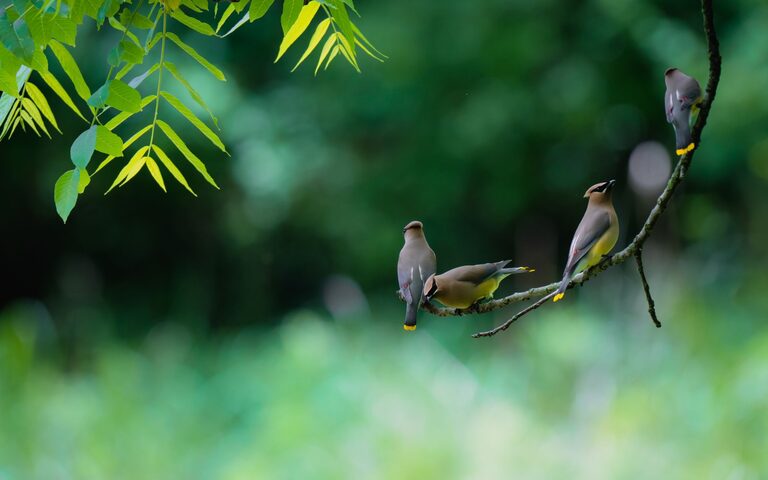
Birdwatching is a relaxing and rewarding hobby that anyone can enjoy, even from the comfort of their own backyard. Whether you live in a bustling city or a quiet suburb, your outdoor space can become a haven for local bird species. If you’re new to birdwatching, this guide will help you get started with simple tips and tricks to make your experience enjoyable and successful.
Why Start Backyard Birdwatching?
Birdwatching offers many benefits. It connects you with nature, encourages mindfulness, and teaches you about the diverse wildlife around you. Plus, it’s a fun activity for individuals or families, fostering curiosity and appreciation for the environment.
Setting Up Your Backyard for Birdwatching
1. Create a Bird-Friendly Environment
Birds need food, water, shelter, and safe places to rest. You can make your yard attractive to birds by:
– Planting native trees and shrubs: These provide natural food sources like berries and shelter for nesting.
– Adding bird feeders: Use different types of feeders to attract various species. Tube feeders suit small songbirds, while platform feeders attract larger birds.
– Providing fresh water: A birdbath or shallow dish filled with clean water is essential, especially during dry periods.
– Offering nesting boxes: Some birds prefer nest boxes for raising their young. Choose boxes designed for the species common to your area.
2. Choose the Right Bird Feeders and Food
Different birds have different tastes. Here are some popular feeder types and foods:
– Seed feeders: Filled with black oil sunflower seeds, millet, or mixed seed blends.
– Suet feeders: Offer high-energy suet cakes for woodpeckers and nuthatches.
– Hummingbird feeders: Use sugar water (no red dye) to attract hummingbirds.
– Fruit feeders: Offer sliced apples or oranges for orioles and waxwings.
Keep feeders clean to prevent disease and replenish food regularly.
Essential Gear for Beginner Birdwatchers
You don’t need expensive equipment to start. Here’s a list of helpful items:
– Binoculars: Choose lightweight binoculars with 6x or 8x magnification for clear views.
– Field guide or app: A bird identification guidebook or smartphone app helps you recognize different species.
– Notebook or journal: Record your sightings and observations to track your progress.
– Comfortable seating: A chair or bench near your feeding station will make watching more pleasurable.
Tips for Observing Birds
1. Be Patient and Quiet
Birds can be shy, so move slowly and speak softly. The more patient you are, the more natural behavior you’ll see.
2. Watch at Different Times of Day
Bird activity varies throughout the day. Early mornings and late afternoons are often the best times to see a variety of species.
3. Learn Bird Calls and Songs
Recognizing bird sounds can help you identify species even when they’re hidden by foliage. Many apps offer sound libraries you can practice with.
4. Keep a Safe Distance
Avoid disturbing birds, especially when they’re nesting or feeding. Use binoculars to observe details without getting too close.
Common Backyard Birds to Look For
Depending on your region, some common backyard birds include:
– Northern Cardinal: Bright red males with distinctive crest.
– American Robin: Orange belly and melodic song.
– Blue Jay: Vibrant blue feathers with loud calls.
– House Sparrow: Small, brown birds often seen in groups.
– Chickadee: Small birds with black cap and cheerful “chick-a-dee-dee” call.
Use your field guide or app to learn about other species you might encounter.
Helping Birds Stay Safe
Avoid window collisions by placing feeders either very close (less than 3 feet) or far away (more than 30 feet) from windows. Clean up spilled seed to prevent attracting unwanted rodents. Also, avoid using pesticides in your yard to protect birds’ health.
Joining the Community
Consider participating in citizen science projects like the Audubon Christmas Bird Count or the Great Backyard Bird Count. These events allow you to contribute valuable data that helps scientists track bird populations.
Final Thoughts
Backyard birdwatching is a simple yet enriching way to enjoy nature right outside your door. By creating a welcoming habitat, learning to identify species, and practicing patience, you’ll find hours of enjoyment and a deeper connection to the natural world.
Happy birdwatching!




More Stories