





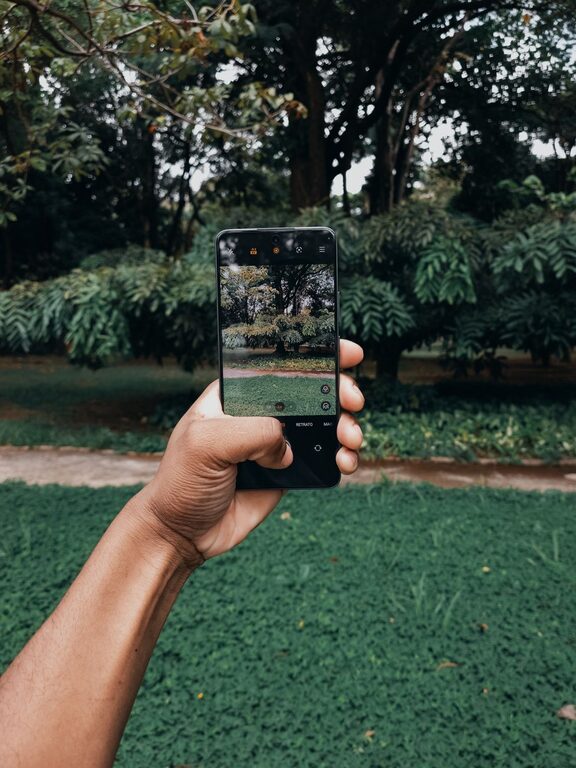
Taking great photos with your phone is easier than ever thanks to advanced camera technology. Whether you want to capture memories, share images on social media, or simply enjoy photography as a hobby, learning a few simple techniques can drastically improve your results. This guide provides beginner-friendly tips to help you take better phone photos, no matter the subject or lighting conditions.
Understanding Your Phone Camera
Before diving into techniques, it’s important to understand your phone’s camera capabilities. Most smartphones come with multiple lenses, automatic settings, and built-in editing tools. Familiarize yourself with:
– Different lenses: Wide, ultra-wide, and telephoto lenses can change your perspective.
– Camera settings: Explore options like HDR, grid lines, and exposure adjustments.
– Focus and exposure: Tap on the screen to focus on your subject and adjust brightness.
Exploring these features helps you make the most of your device.
Composition Basics
Good composition is key to compelling photos. Here are some beginner-friendly composition tips:
Use the Rule of Thirds
Activate the grid lines in your camera settings to divide the screen into thirds horizontally and vertically. Position your subject along these lines or at their intersections for a balanced look.
Fill the Frame
Get closer or zoom in slightly to remove distractions around your subject. Filling the frame helps direct the viewer’s attention.
Look for Leading Lines
Lines in your scene—like roads, fences, or bridges—can guide the viewer’s eye toward your subject.
Consider the Background
Choose a clean, uncluttered background to keep the focus on your subject and avoid distractions.
Lighting Tips
Lighting can make or break a photo. Here are some ways to work with light:
Use Natural Light
Whenever possible, shoot in natural daylight. Early morning and late afternoon (golden hour) provide soft, warm light ideal for photography.
Avoid Harsh Midday Sun
Bright midday sun can cause harsh shadows and blown-out highlights. Seek shade or shoot indoors when the sun is strong.
Experiment with Backlighting
Position your subject with the light source behind them for creative silhouettes or glowing effects.
Use the Flash Wisely
Phone flash is often harsh and unflattering. Try to avoid it unless necessary. Instead, find more light or use other artificial light sources.
Focus and Sharpness
Blurry photos can be frustrating. To keep your shots sharp:
– Hold your phone steady: Use both hands or lean on a stable surface.
– Tap to focus: Always tap on your subject to ensure sharpness.
– Avoid digital zoom: Zooming on your phone reduces photo quality. Instead, move closer to your subject if possible.
– Use burst mode: Capture multiple shots in quick succession to increase chances of a sharp image.
Experiment with Angles and Perspectives
Don’t just shoot from eye level. Try these ideas to add interest:
– Shoot from above or below.
– Get down on the ground.
– Capture reflections in water or mirrors.
– Frame your subject through objects like doorways or foliage.
Changing your perspective can create more dynamic photos.
Editing Your Photos
Even basic editing can enhance your photos significantly. Most phones have built-in editors allowing you to:
– Crop and straighten images.
– Adjust brightness, contrast, and saturation.
– Apply filters for mood or style.
– Remove minor blemishes or distractions.
Avoid over-editing; subtle adjustments often work best.
Practice Regularly
Photography is a skill that improves with practice. Challenge yourself to take photos daily or experiment with different subjects and styles. Review your photos critically and learn from mistakes.
Additional Tips and Tricks
– Clean your lens regularly to avoid blurry photos.
– Use portrait mode for professional-looking blurred backgrounds.
– Enable HDR mode to balance bright and dark areas in your shots.
– Use timer or remote shutter to reduce shake when taking group shots or selfies.
Conclusion
Taking better phone photos doesn’t require expensive equipment or advanced skills. By understanding your camera, paying attention to lighting, practicing good composition, and experimenting with angles and editing, you can capture beautiful images that you’ll be proud to share. Happy shooting!




More Stories